Beyond the Title · By Mohammed Badawy

Experience that
moves people
forward.

A place to turn what we learn, what we face, and what we know into something useful for someone else.

Find your next step ↗

Built from a life in service. Designed for life beyond it.

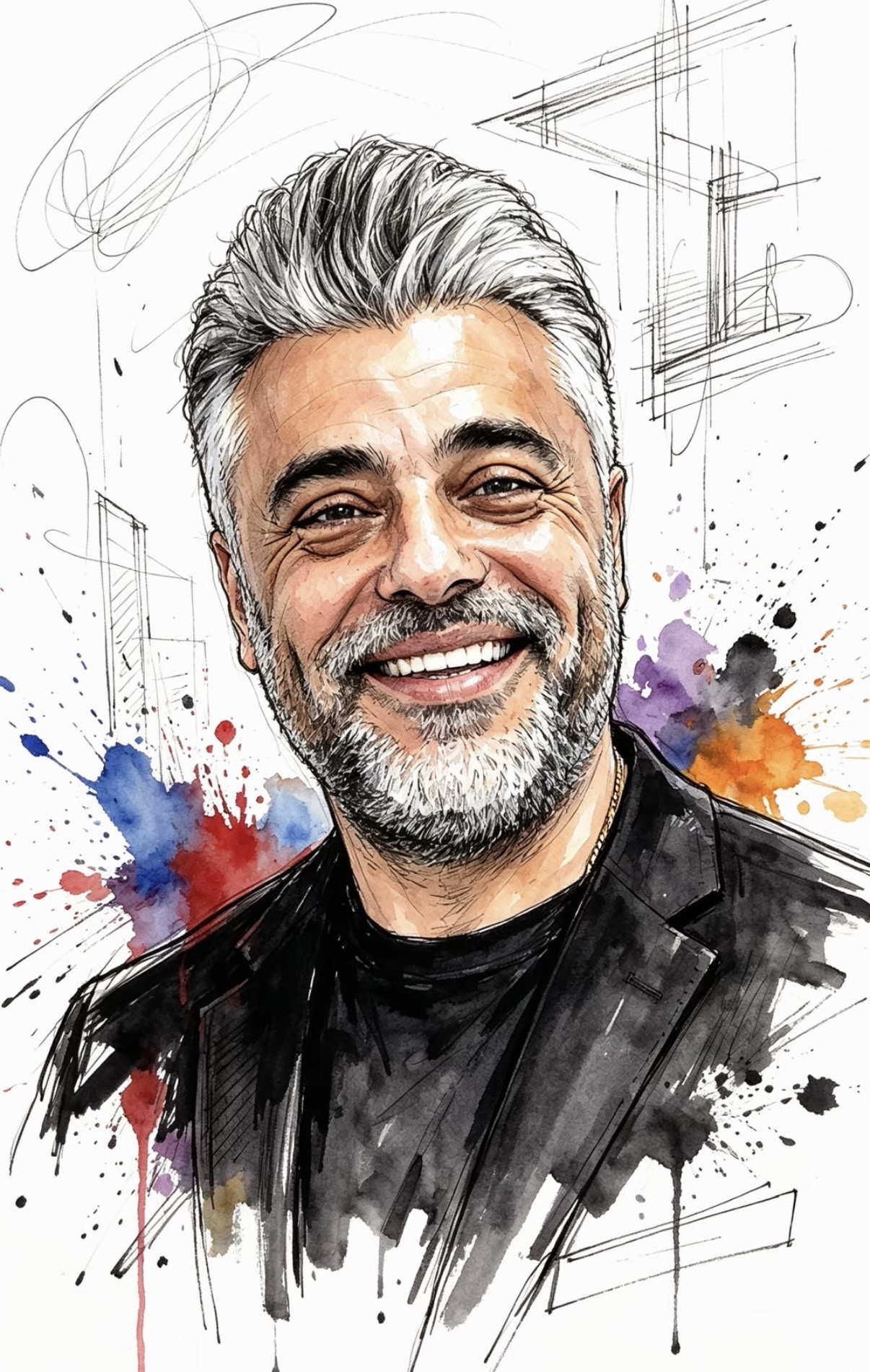
Illustrated portrait of Mohammed BadawyMohammed Badawy’s signature
BEYOND THE TITLEOne person.
Many ripples.
25+ yearsof MedTech experience
Service mindsetpeople before processes
Lifelong learnerengineering to emerging technology
One purposeleave people better equipped
01 / Start where you are

What are you navigating?

You do not need to solve everything today. Choose one challenge and start with one useful action.

02 / Leadership Reflections

Questions that stay with you.

Six stories from my Leadership Reflections. Each begins with something familiar—and an invitation to see it differently.

REFLECTION 01

What remains can become something new.

A story about recovery.

Open story →

We often try to put life back into its original shape after something breaks. But perhaps recovery starts with a different question: what can we build from what remains?

21,452 impressions · 139 reactions · 7 comments · 1 repost

Once broken, it will never be the same. But does it need to be?
Read the full story · English / العربية

We’ve all heard it:
“Once the glass is broken, it can never be the same again.”

And maybe that’s true.

But lately, I’ve been thinking about the second part of that sentence…

Who said it needs to be the same?

When something breaks in our lives—a relationship, a dream, or even the way we once saw ourselves—our first instinct is often to repair it.

To bring it back.

To make it look like it did before.

And when we can’t, we sometimes believe we failed.

But maybe recovery was never about going back.

A broken glass may never return to its original shape.

But losing its original shape is not the same as losing all its value.

It may become something different.

Not necessarily better.

Not necessarily worse.

Just different.

And I think that matters.

Because sometimes we spend too much energy trying to become who we were before something happened…

when perhaps life is asking us to discover who we can become after it.

This doesn’t mean we should celebrate what broke us.

Some things hurt.

Some losses remain losses.

Some experiences leave marks.

But a mark is not the same as an ending.

So maybe the question after something breaks is not:

“How do I make it the same again?”

Maybe it is:

“What can I build from what remains?”

Because healing doesn’t always mean returning to the original shape.

Sometimes… it means discovering a new one.

#LeadershipReflections #Perspective #Resilience #Growth #Transformation #LifeLessons

كلنا سمعنا الجملة دي:

«الكوباية لما بتتكسر، عمرها ما بترجع زي ما كانت.»

ويمكن ده فعلًا حقيقي.

لكن من فترة بدأت أفكر في الجزء التاني من الجملة…

ومين قال إنها لازم ترجع زي ما كانت؟

لما حاجة بتتكسر في حياتنا—علاقة، حلم، أو حتى الصورة اللي كنا شايفين بيها نفسنا—أول رد فعل عندنا غالبًا بيكون إننا نحاول نصلّحها.

نرجّعها.

نخليها زي ما كانت قبل ما تتكسر.

ولما ما نقدرش، ساعات بنحس إننا فشلنا.

لكن يمكن التعافي عمره ما كان معناه إننا نرجع لورا.

الكوباية المكسورة يمكن فعلًا ما ترجعش لشكلها الأصلي.

لكن فقدانها لشكلها الأصلي مش معناه إنها فقدت كل قيمتها.

ممكن تبقى حاجة مختلفة.

مش بالضرورة أحسن.

ومش بالضرورة أسوأ.

بس مختلفة.

وأعتقد إن الفرق ده مهم.

لأن ساعات بنستهلك طاقة كبيرة جدًا وإحنا بنحاول نرجع لنفس الشخص اللي كنا عليه قبل ما حاجة تحصل…

في وقت يمكن الحياة بتطلب مننا نكتشف إحنا ممكن نبقى مين بعدها.

وده مش معناه إننا لازم نحتفل بالحاجة اللي كسرتنا.

في حاجات بتوجع.

وفي خسائر بتفضل خسائر.

وفي تجارب بتسيب علامات.

لكن العلامة مش معناها النهاية.

وعشان كده، يمكن السؤال بعد ما حاجة تتكسر مش:

«إزاي أرجّعها زي ما كانت؟»

يمكن السؤال يكون:

«إيه اللي أقدر أبنيه من اللي لسه موجود؟»

لأن التعافي مش دايمًا معناه الرجوع للشكل القديم.

ساعات… معناه إننا نكتشف شكل جديد.

#LeadershipReflections #Perspective #Resilience #Growth #Transformation #LifeLessons

View original on LinkedIn ↗
Put it into practice

A reflection prompt for this website

What can you build from what remains, without requiring yourself to return to who you were before?

Turn your reflection into a seven-day plan →
REFLECTION 02

The invisible half of a full life.

A story about ambition and what we protect.

Open story →

A glass can hold things we see and things we overlook. As we pursue more achievements, it is worth asking what we might be displacing along the way.

20,248 impressions · 79 reactions · 13 comments · 2 reposts

The question is not whether your glass is half full or half empty. The real question is: What else is filling it?
Read the full story · English / العربية

The question is not whether your glass is half full or half empty.
The real question is: What else is filling it?

I see the glass as completely full.

Half of it is filled with water.
The other half is filled with air.

The water represents the things we can see, measure, and count:

Money, Career, a home, a car, Achievements,
Titles.

The air represents the things we cannot always see or measure, but sometimes they are worth much more:

Health, Family, Love, Peace of mind, Faith, Time, Honesty, Ethics , Principles, Self-respect.

And the people who genuinely care about us.

There is absolutely nothing wrong with wanting more water.

I am ambitious, and I will always believe in growth and development.

But every time we add more water, we should remember that there is less space for air inside the glass.

And this is where I believe we need to be careful.

If another achievement costs you your health…

If more money costs you your peace…

If a higher position costs you your principles…

If success takes away the people you love…

Then maybe that extra water was more expensive than we thought.

This doesn’t mean stop growing or stop being ambitious.

Not at all.

It simply means understanding what you are exchanging for what you want.

Before looking at your glass and thinking it is not full enough, look again.

Maybe the part you thought was empty is already filled with some of the most valuable things you have.

Be grateful for the water.

Protect the air.

And never become so busy adding more to your life that you lose the things that made it valuable in the first place.

السؤال دايمًا بيكون:

الكوباية نصها مليان… ولا نصها فاضي؟

لكن أنا من فترة طويلة بشوفها بطريقة مختلفة.

بالنسبة لي، الكوباية مليانة بالكامل.

نصها مية…
والنص التاني هوا.

المية بتمثل الحاجات اللي نقدر نشوفها ونقيسها.

الفلوس، الشغل، البيت، السياره، الإنجازات، والمناصب.

أما الهوا، فبيمثل حاجات يمكن مش بنشوفها أو نقدر نقيسها بنفس السهولة… لكن قيمتها في حياتنا ممكن تكون أكبر بكتير:

الصحة، العيلة، الحب، راحة البال، الإيمان، الوقت، الأمانة، الأخلاق، المبادئ، احترامك لنفسك.
والناس اللي بتحبك وبتخاف عليك بجد.

وطبعًا مفيش أي مشكلة إننا نكون عايزين مية أكتر.

أنا شخص طموح، وهفضل دايمًا مؤمن بالنمو والتطور وإن الإنسان لازم يسعى للأفضل.

لكن كل ما بنضيف مية أكتر، لازم نفتكر إن المساحة المتاحة للهوا بتقل.

وهنا يمكن لازم نقف لحظة ونسأل نفسنا:

لو إنجاز جديد هيكون على حساب صحتك…

لو فلوس أكتر هتيجي على حساب راحة بالك…

لو منصب أكبر تمنه إنك تتنازل عن مبادئك…

ولو نجاح أكبر هيبعدك عن الناس اللي بتحبهم…

يبقى يمكن المية اللي زودناها كان تمنها أغلى بكتير مما كنا متخيلين.

وده مش معناه إننا نبطل نحلم، أو نقلل طموحنا.

بالعكس تمامًا.

المهم بس إننا نكون فاهمين إحنا بنضيف إيه… وفي المقابل ممكن نخسر إيه.

قبل ما تبص للكوباية وتحس إن لسه فيها مساحة ناقصة، بص عليها مرة تانية.

يمكن الجزء اللي كنت فاكره فاضي…
هو أصلًا مليان بأغلى حاجات موجودة في حياتك.

خليك ممتن للمية…
وحافظ على الهوا.

ومتنشغلش طول الوقت بإنك تزود اللي عندك، لدرجة إنك تخسر الحاجات اللي كانت مديّة لحياتك قيمة من البداية.

View original on LinkedIn ↗
Put it into practice

A reflection prompt for this website

What are you exchanging for your next achievement? Name one invisible part of your life you want to protect.

Turn your reflection into a seven-day plan →
REFLECTION 03

The seed is only part of the story.

A story about effort, timing, and conditions.

Open story →

A harvest tells us what happened. It does not always tell us why. The seed matters, but so does the season in which it grows.

18,194 impressions · 65 reactions · 5 comments

You reap what you sow. But what about the season?
Read the full story · English / العربية

You reap what you sow.
And honestly, I still believe it.
But over time, I started to feel that the saying is true… just not complete.

We often look at the harvest as if it tells us the whole story.

When the result is good, we assume the seed was good.

And when the result is disappointing, we assume the seed, the effort, or sometimes even the person behind it was not good enough.

But what about the season?

The same seed can grow differently under different conditions.

A favourable season can make a weak seed look stronger than it really is.

And a difficult season can prevent a good seed from showing what it could have become.

That does not remove responsibility.

And it does not mean that we blame the season whenever the result disappoints us.

We still choose what we plant.

We still choose the effort, care, and intention we give it.

But perhaps the outcome is not always a complete judgment on the person.

Maybe the harvest tells us what happened…

But it does not always tell us the whole truth about why it happened.

And maybe wisdom is knowing which part belonged to the seed…

And which part belonged to the season.

So yes, we reap what we sow.

But never from the seed alone.

⸻

كلنا عارفين المقولة دي:

«كما تزرع تحصد.»

وبصراحة، أنا لسه مؤمن بيها.

لكن مع الوقت بدأت أحس إن المقولة دي صح… بس مش كاملة.

إحنا ساعات بنبص للحصاد كأنه بيحكي القصة كلها.

لما النتيجة تكون كويسة، بنفترض إن البذرة كانت كويسة.

ولما النتيجة تكون أقل من اللي توقعناه، بنفترض إن البذرة أو المجهود، وأحيانًا حتى الشخص نفسه، ماكانوش كفاية.

طب والموسم؟

نفس البذرة ممكن تنمو بشكل مختلف في ظروف مختلفة.

موسم مناسب ممكن يخلي بذرة ضعيفة تبان أقوى من حقيقتها.

وموسم صعب ممكن يمنع بذرة كويسة من إنها تظهر اللي كان ممكن توصل له.

وده مش بيلغي مسؤوليتنا.

ومش معناه إننا نعلّق كل نتيجة مش عاجبانا على الموسم.

إحنا لسه بنختار اللي بنزرعه.

وبنختار المجهود، والاهتمام، والنية اللي بنديها له.

لكن يمكن النتيجة مش دايمًا تكون حكم كامل على الشخص.

يمكن الحصاد يقول لنا إيه اللي حصل…

لكن مش دايمًا يقول لنا الحقيقة كاملة عن ليه حصل.

ويمكن الحكمة إننا نعرف إيه كان سببه هل البذرة…

ولا كان سببه الموسم.

وعشان كده، آه… كما تزرع تحصد.

لكن مش بالبذرة لوحدها.

#LeadershipReflections #Perspective #LifeLessons #Resilience #Growth #Wisdom #Vision2030

View original on LinkedIn ↗
Put it into practice

A reflection prompt for this website

Which part of the outcome belongs to your effort, and which part belongs to the conditions around it?

Turn your reflection into a seven-day plan →
REFLECTION 04

The same weight can feel different.

A story about empathy.

Open story →

Knowing what happened to someone does not mean we understand how it affected them. The same event can carry a different weight in a different life.

11,660 impressions · 80 reactions · 10 comments

Same weight. Same impact?
Read the full story · English / العربية

Same weight. Same impact?

20 kg is 20 kg.

But physics tells us something interesting.

Put the same 20 kg closer to the pivot, and it creates a certain torque.

Move it further from the pivot…

and the torque becomes much greater.

The weight never changed.
What changed was where it was acting.

And that made me think about something we often do in life.

Someone tells us about a problem, and because we understand what happened, we think we understand how much it should affect them.

“It’s not that serious.”

“I’ve been through worse.”

“If I were you, I wouldn’t let it affect me that much.”

And maybe that’s true…

from where we stand.

But knowing the weight alone isn’t enough to know its effect.

Maybe life isn’t so different.

The same situation can affect two people differently—not because one is stronger, but because there are other variables:

Their history.
Responsibilities.
Experiences.
Fears.
Support.
Even timing.

Sometimes, even the same person can experience the same problem differently at another stage of life.

So maybe the mistake is believing that knowing the problem means we understand its impact.

We may know exactly what happened…

and still know very little about what it did to the person experiencing it.

The event is only one part of the equation.

Same weight.
Different variables.
Different effect.

Not because reality changed.
Because the equation has more than one variable.


نفس الوزن… نفس التأثير؟

٢٠ كيلو يعني ٢٠ كيلو.

لكن الفيزياء بتقول لنا حاجة مثيرة للاهتمام.

حط نفس الـ٢٠ كيلو قريب من نقطة الارتكاز، هيكون ليها عزم معين.

حرّكها بعيد عن نقطة الارتكاز…

العزم هيزيد بشكل كبير.

الوزن ما اتغيرش.
اللي اتغير هو مكان تأثيره.

وده خلاني أفكر في حاجة بنعملها كتير.

حد يحكيلنا عن مشكلة، ولمجرد إننا فهمنا إيه اللي حصل، بنفتكر إننا فاهمين المفروض تأثر عليه قد إيه.

«الموضوع مش كبير للدرجة دي.»

«أنا مريت بأسوأ من كده.»

«لو أنا مكانك، ما كنتش خليته يأثر فيا كده.»

ويمكن ده فعلًا صحيح…

من مكاننا إحنا.

لكن معرفة الوزن لوحدها مش كفاية علشان نعرف تأثيره.

ويمكن الحياة مش مختلفة قوي.

نفس الموقف ممكن يأثر على شخصين بشكل مختلف، مش لأن واحد أقوى من التاني، لكن لأن في متغيرات تانية:

تاريخه.
مسؤولياته.
تجاربه.
مخاوفه.
الدعم حواليه.
وحتى التوقيت.

وساعات نفس الشخص ممكن يمر بنفس المشكلة في مرحلة مختلفة من حياته… ويكون تأثيرها مختلف.

فيمكن الغلط إننا نفتكر إن معرفتنا بالمشكلة معناها إننا فاهمين تأثيرها.

ممكن نعرف بالضبط إيه اللي حصل…

لكن ما نعرفش إيه اللي عمله في الشخص اللي عاشه.

الحدث نفسه مجرد جزء من المعادلة.

نفس الوزن.
متغيرات مختلفة.
تأثير مختلف.

مش لأن الواقع اتغير…
لكن لأن المعادلة فيها أكتر من متغير.

#LeadershipReflections #Perspective #Understanding #Empathy #LifeLessons

View original on LinkedIn ↗
Put it into practice

A reflection prompt for this website

Before judging someone’s reaction, what could you ask about the circumstances shaping the impact on them?

Turn your reflection into a seven-day plan →
REFLECTION 05

A life cannot be measured in sand.

A story about time and fulfilment.

Open story →

Two hourglasses can show how much time has passed. They cannot tell us how much happiness, meaning, or fulfilment that time held.

7,486 impressions · 54 reactions · 2 comments

More time. More life?
Read the full story · English / العربية

More time. More life?

Imagine these two hourglasses represent two different lives.

In one, more sand has fallen.

In the other, less.

We can clearly see the difference in time.

But can we really tell which life was happier or more fulfilling?

There’s something interesting about an hourglass.

As the sand moves down, the upper chamber becomes emptier, while the lower one becomes fuller.

But the space left behind isn’t actually empty.

It’s filled with air.

We can see the sand, measure it, and compare it.

But the air is invisible.

And that made me think about life differently.

Maybe the sand represents the time we live.

And the air reminds us of something we cannot easily see or measure.

The happiness, satisfaction, and fulfilment each of us experiences during that time.

Some people may spend their lives building wealth because achieving, growing, and creating something brings them genuine happiness.

Others may spend what they earn bringing happiness to the people they love.

Some may achieve every dream they had.

Others may never reach their dreams, yet feel completely fulfilled by the journey itself.

And some may reach the end of life with very little material wealth, yet feel they have everything they ever wanted.

Different lives. Different dreams. Different meanings of happiness.

Just like the air, much of what makes life meaningful is invisible to those looking from outside.

So who are we to decide which life was better?

I believe we sometimes make the mistake of measuring other people’s lives using our own definition of success.

What brings me happiness may mean very little to someone else.

And that’s perfectly fine.

But there’s one thing I strongly believe.

Our happiness should never be built at the expense of others.

Because fulfilment is personal, but responsibility matters too.

So perhaps these two hourglasses remind us of something simple.

We can compare the sand.

But can we really compare what we cannot see?

An hourglass can measure how much time has passed.

But it cannot measure the happiness, meaning, or fulfilment that time held for the person who lived it.


الساعتين الرمليتين يقدروا يقيسوا الوقت اللي عدى، لكن مش قيمة الحياة اللي اتعاشت فيه.

الرمل بنشوفه، والهوا مش بنشوفه… زي السعادة والرضا اللي معناهم بيختلف من شخص للتاني.

كل واحد ليه أحلامه ومقياسه للنجاح، لكن المهم إن سعادتنا ما تكونش على حساب غيرنا.

#LeadershipReflections #LifePerspective #MeaningOfLife #Fulfillment #LifeLessons #Vision2030

View original on LinkedIn ↗
Put it into practice

A reflection prompt for this website

What does fulfilment mean to you, and where might you be judging another person’s life by your own measure?

Turn your reflection into a seven-day plan →
REFLECTION 06

Movement isn’t always progress.

A story about direction.

Open story →

We can move every day and still drift away from our destination. Sometimes changing direction is the most responsible way to keep going.

Am I still moving towards where I want to be?
Read the full story · English / العربية

Have you ever thought you could be moving every day…
Even moving fast…
But not necessarily making progress?

That made me look at Newton’s first law differently:

An object keeps moving at the same speed in a straight line unless a net external force changes its motion.

Inertia is its resistance to a change in motion.

But the object doesn’t know whether that direction takes it closer to a destination or further away.

And sometimes, I wonder if we do the same.

We keep going because we’ve already started.
Because we’ve invested years.
Because changing feels harder than continuing.

And sometimes we call that persistence.

But is it always?

I believe in persistence when the destination still matters and I have good reasons to believe the path can take me there.

A difficult path isn’t necessarily wrong.

But if I realise the direction is wrong, continuing doesn’t make it right—even after years on that path.

Inertia has no judgment.

It doesn’t distinguish between the right direction and the wrong one.

That judgment belongs to us.

So maybe the question isn’t only:

“Am I still moving?”

It’s:

“Am I still moving towards where I want to be?”

Movement isn’t always progress.
And changing direction isn’t always giving up.

Sometimes, it is simply a course correction.

عمرك فكرت إنك ممكن تكون بتتحرك كل يوم…
وبسرعة كمان…

لكن مش بالضرورة تكون بتتقدم؟

الفكرة دي خلتني أبص لقانون نيوتن الأول بشكل مختلف:

الجسم المتحرك بيكمل بنفس السرعة وفي خط مستقيم، إلا لو محصلة القوى الخارجية عليه غيّرت حركته.

ومقاومته لتغيير حالة حركته بنسميها القصور الذاتي — Inertia.

لكن الجسم ما يعرفش إذا كان الاتجاه ده بيقرّبه من هدف… ولا بيبعده عنه.

وساعات بسأل نفسي: هل إحنا بنعمل نفس الحاجة؟

بنكمل لأننا خلاص بدأنا.
لأننا استثمرنا سنين.
ولأن تغيير الاتجاه ساعات بيكون أصعب من إننا نكمل.

وساعات بنسمي ده إصرار.

بس هل هو دايمًا إصرار؟

أنا مؤمن بالإصرار طول ما الهدف لسه مهم بالنسبة لي، وعندي أسباب حقيقية تخليني شايف إن الطريق ده ممكن يوصلني له.

الطريق الصعب مش بالضرورة طريق غلط.

لكن لو اكتشفت إن الاتجاه غلط، استمراري فيه مش هيخليه صح… حتى لو بقالي سنين ماشي فيه.

القصور الذاتي ما بيفرّقش بين الاتجاه الصح والغلط.

إحنا اللي عندنا القدرة نحكم.

يمكن السؤال مش بس:

«هل أنا لسه بتحرك؟»

لكن:

هل أنا لسه بقرب من المكان اللي عايز أوصله؟

الحركة مش دايمًا معناها تقدم.
وتغيير الاتجاه مش دايمًا معناه استسلام.

ساعات… بيكون مجرد تصحيح للمسار.

#LeadershipReflections #Perspective #LifeLessons #Inertia #Growth #Wisdom #Vision2030

View original on LinkedIn ↗
Put it into practice

A reflection prompt for this website

Are your current actions taking you towards the destination you still want? What course correction could help?

Make a seven-day plan →

LinkedIn figures shown as captured on 14 October 2026. Impressions are displays of a post, not unique readers. Stories retain my original English and Arabic words. Introductions and practice prompts are adapted for this website.

Explore my posts on LinkedIn ↗
03 / Turn reflection into impact

Your next seven days
can matter.

Choose one person, one useful action, and one sign of progress. Create a simple plan you can keep.

Your entries stay on this device. No account or submission required.

Mohammed BadawyEngineer · Leader · Learner
A personal message

A life in service.
A wider purpose.

For more than 25 years, my work in biomedical engineering, MedTech service, and business development across Saudi Arabia and the Gulf has taught me one thing: behind every process, every decision, and every challenge, there is a person who depends on what we do next.

I created Beyond the Title to share what experience continues to teach me about leadership, learning, and responsibility. I am still learning, still asking questions, and still finding better ways to contribute.

My hope is that you leave this space with something useful: a clearer thought, the courage to hold your ground without losing your values, or one practical step that helps you move forward.

To me, the value of experience grows when we pass it on. If something here helps you, share it with someone who may need it.

Mohammed Badawy’s signature